Jadwiga Kowalska · icon studio · Częstochowa
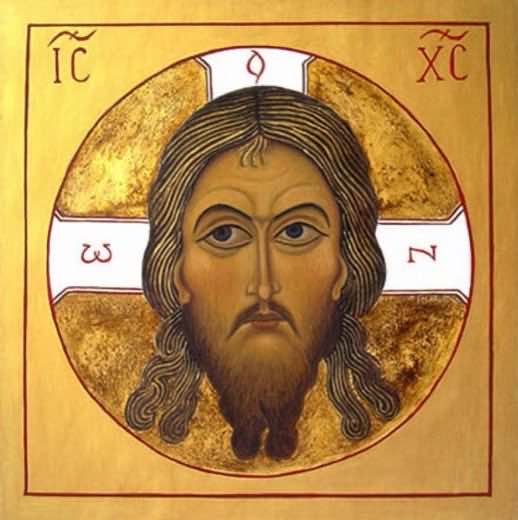
She does not paint — she writes. On a wooden panel, in the traditional technique of egg tempera, layer upon layer, from darkness to light. Just as at the monastery on Sinai in the 6th century.
About me
For me, writing icons is like discovering unknown lands.
It all began in the Bieszczady Mountains — with old icons that captivated her so much that, after a break of thirty-seven years, she took up the brush again. The Droga Ikony (The Way of the Icon) workshops in Falenica introduced her to the subject and the technique. Then came many years of entirely independent struggle, searching and work in the quiet of the studio.
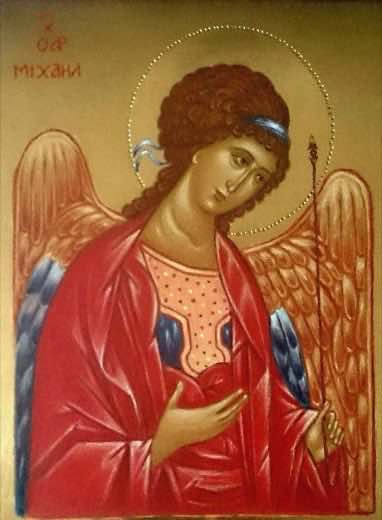
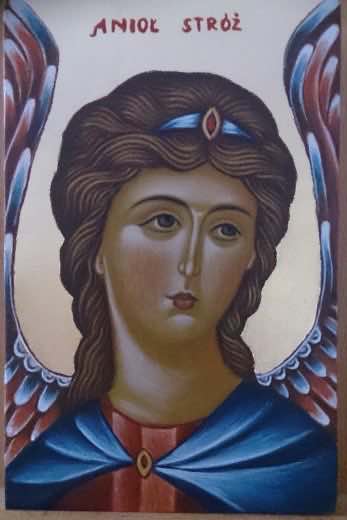
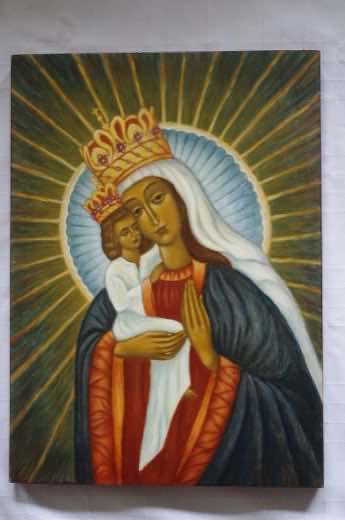
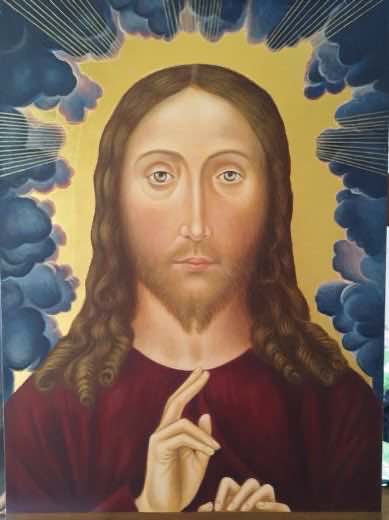
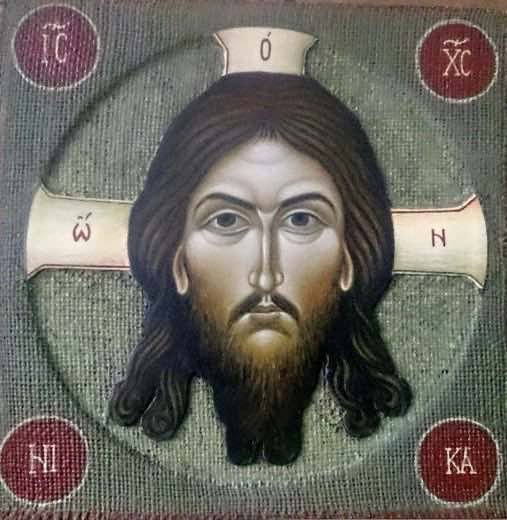
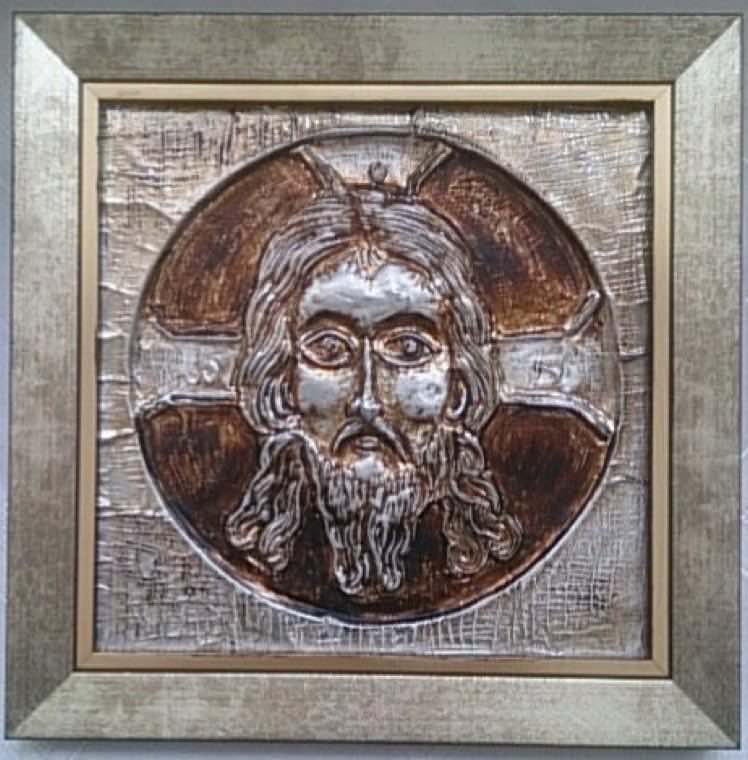
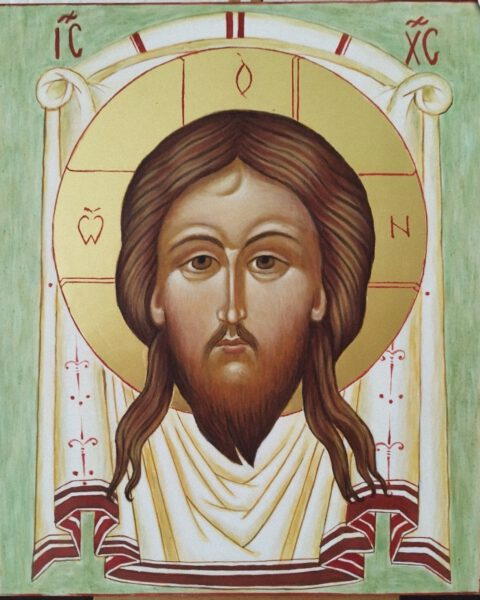
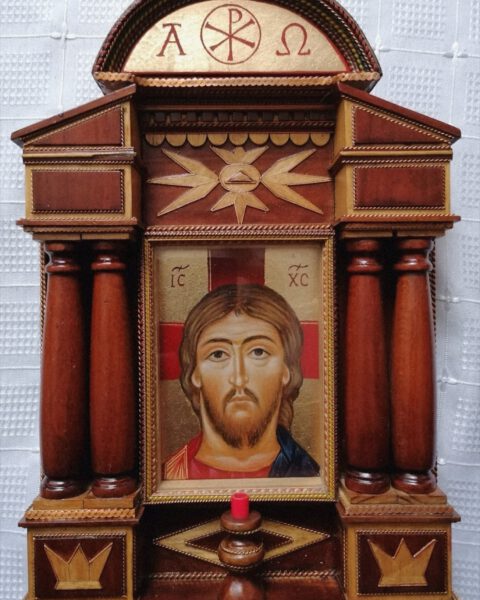
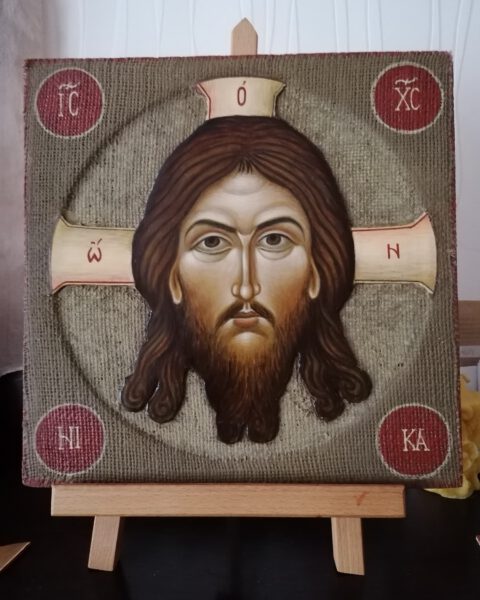
Her first icon — a Mandylion on cardboard — was made in January 2011. Almost everything she has created since then can be seen in the gallery: images of Christ, the Mother of God, angels and saints. Her icons most often go to people close to her — for a baptism, a First Communion, a wedding. “I hope they are not just a keepsake, but a Message.”
Technique · egg tempera on panel
Egg tempera is one of the oldest painting techniques still in living use. An icon comes into being as thin, translucent layers of tempera are carefully laid one over another on a white levkas ground, which lights up the interpenetrating colours.


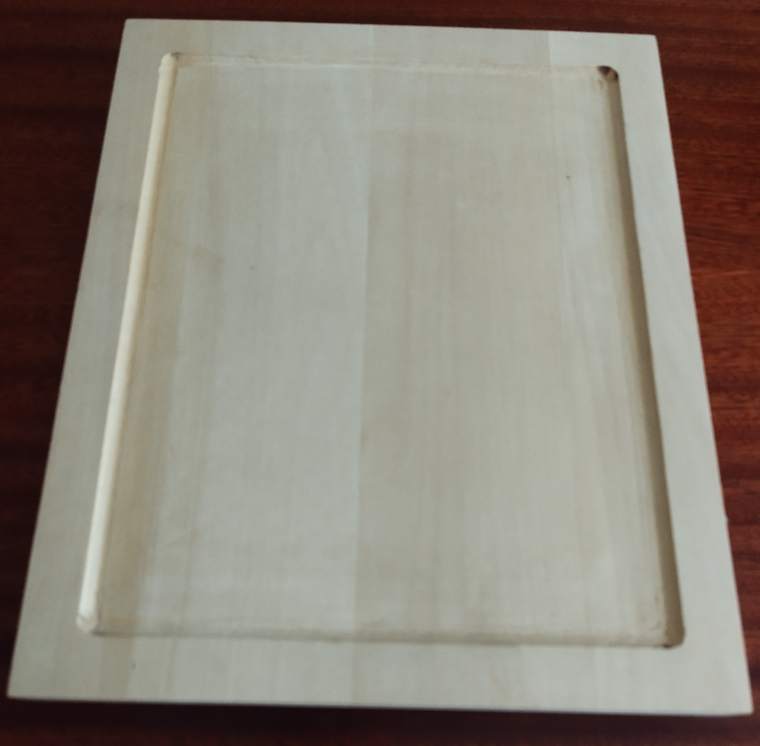
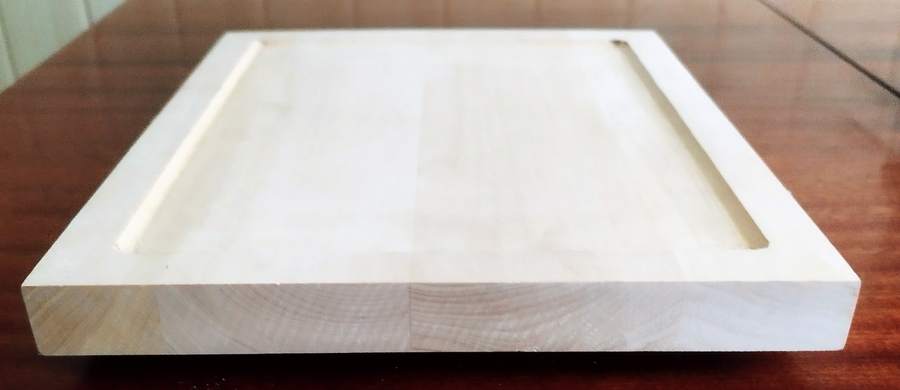
Usually lime, because it is light. Glued in a special way by an experienced joiner and reinforced with battens (shponki); a kovcheg is cut into the field.
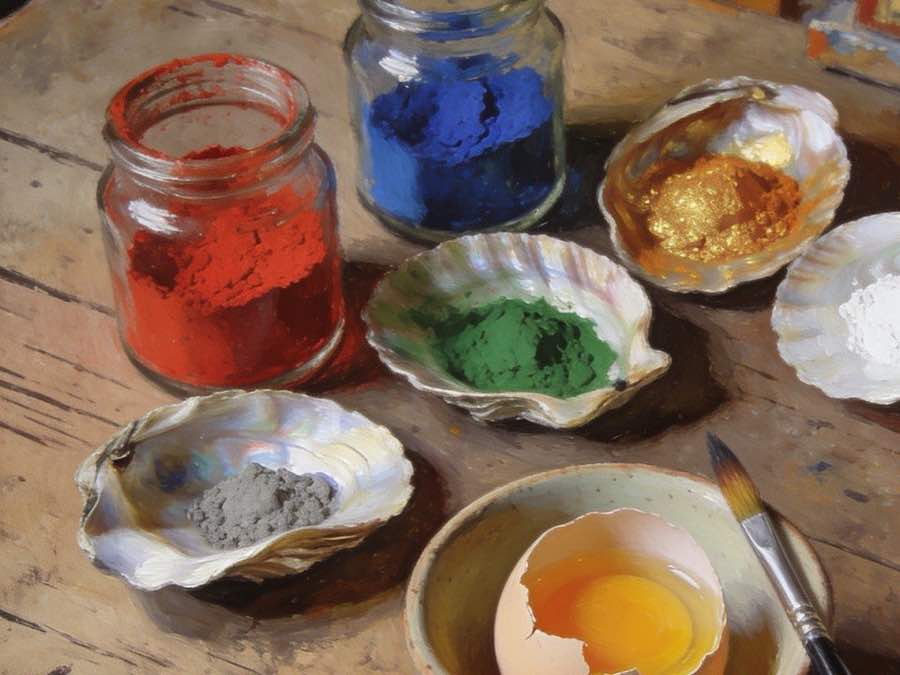
The binder is egg yolk — an emulsion that binds the pigment into a thin, matt and remarkably durable layer. It cannot be blended like oil: it dries within minutes, so every stroke of the brush has to be decisive. The light does not lie on the paint — it comes from beneath, from the levkas, and shines through the successive glazes. That is why the icons of St Catherine’s Monastery on Sinai, written in the 6th century, still astonish with their living colours.
Egg tempera is Jadwiga Kowalska’s favourite technique. “It is probably not the easiest technique, but it is faithful to a centuries-old tradition.”
Lime-wood panels are used most often, because they are very light; other hardwoods are also suitable, but not conifers, which exude resin. A solid single-piece panel is rarely used, and then only very old wood. Jadwiga Kowalska paints on panels glued in a special way by an experienced joiner, so that the wood moves evenly. The panel is reinforced with battens (shponki), and a kovcheg is cut into the field: a shallow recess that receives the image.

Linen cloth laid down with hide glue. It binds the panel to the ground and prevents stresses in the wood.
Chalk and glue, applied in a dozen or so thin coats, then sanded as smooth as bone. A white ground that helps the icon to glow.
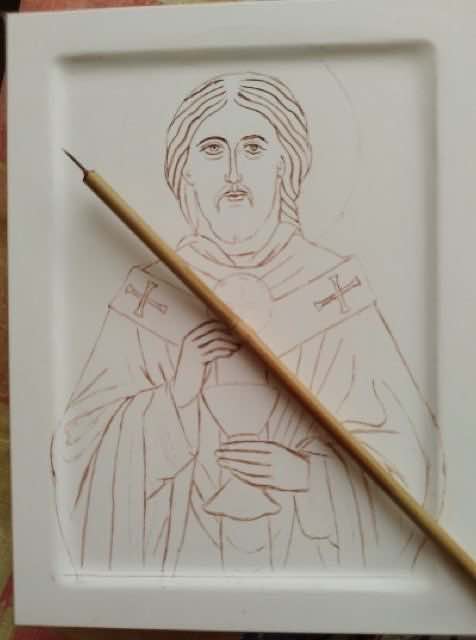
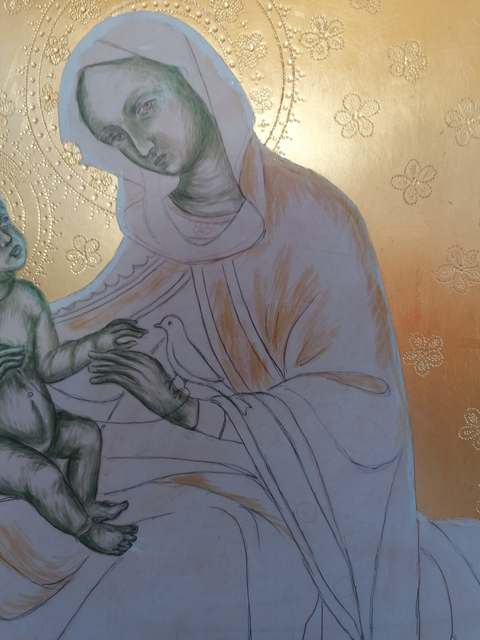
The outlines are transferred onto the ground and lightly incised, so that they survive beneath the following layers of paint.
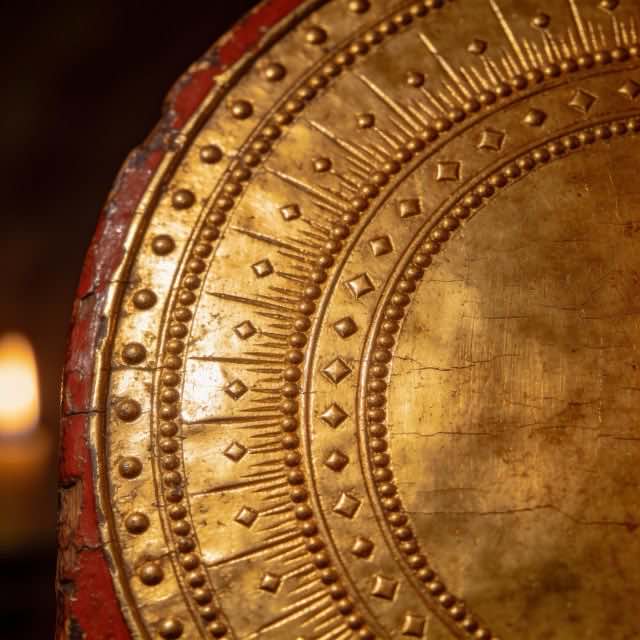
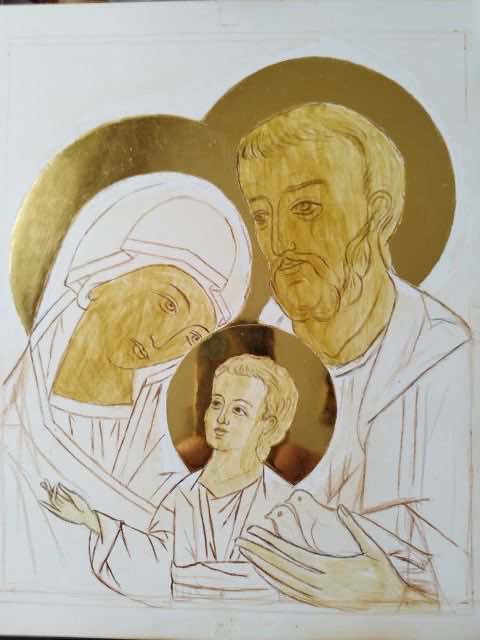
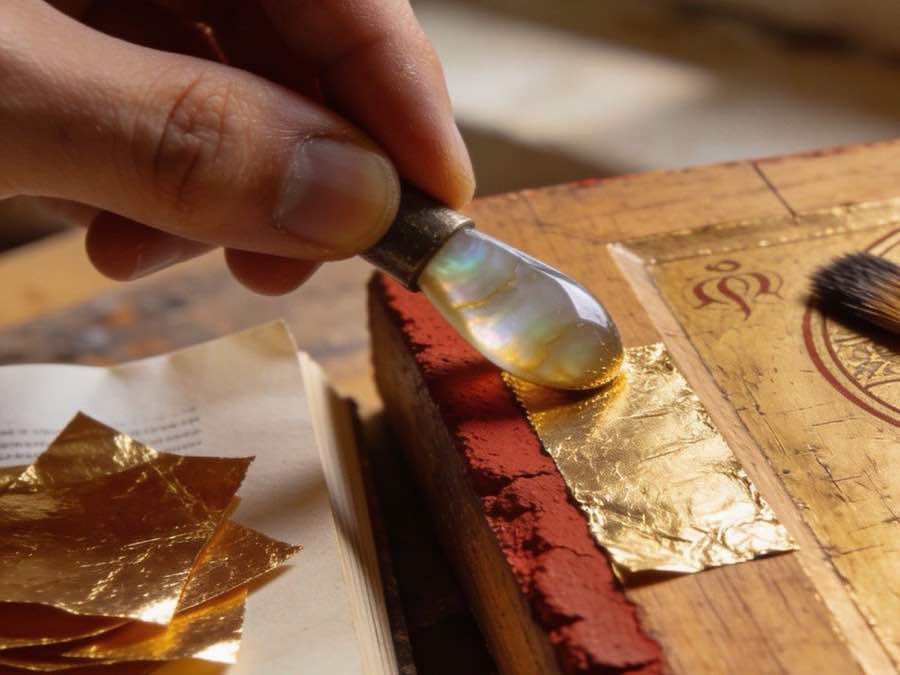
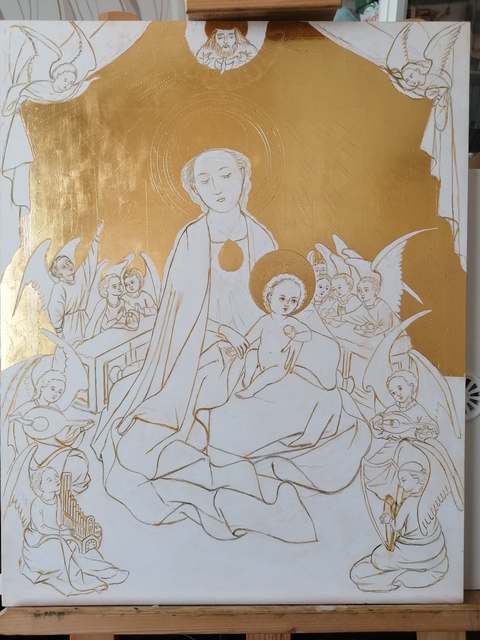
Red bole, and on it a leaf of 24-carat gold burnished with an agate “to a mirror shine”. The warm tone of the gold is the red of the clay showing through.

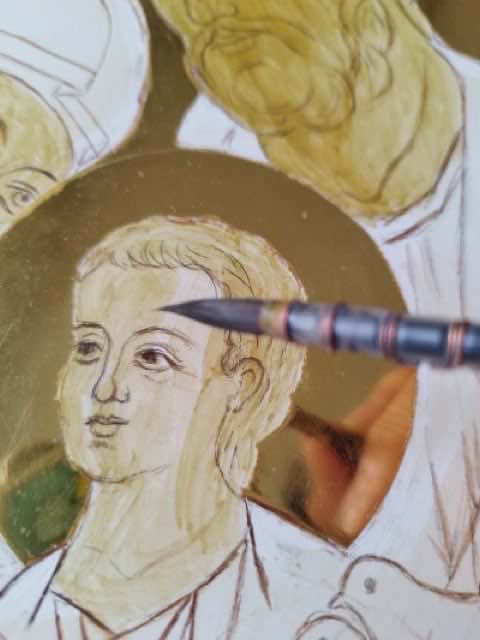
A dark, olive underpainting of the flesh. Painting the face begins with the dark layers.
Ever lighter layers of tempera — from ochres to white. An icon is not lit from outside; the light is built up within it.
The name of the figure and the abbreviations: IC XC, MP ΘΥ. Only once it is named is an icon an icon — without the inscription it remains a picture.
The varnish unifies the layers and deepens the colours. A commissioned icon can be collected as soon as the painting is finished, with varnishing arranged for later.
Symbolism
Materials, colours, gestures, the position of the hands, architecture, perspective — nothing is accidental. The icon is an inseparable part of the liturgy: it mediates between the one who prays and the one it depicts.
In the hierarchy of colours in an icon, gold takes first place. It signifies God himself, the radiance of God’s glory, the uncreated light. That is why haloes and backgrounds are gilded.
Red – the colour of the king, the ruler, God. Red signifies earthly, human nature, blood, life, martyrdom, suffering.
Heaven, heavenly life, the unattainability of the mystery, the depth of revelation.
Yellow or golden ochre – yellow, like gold, symbolises in an icon the grace of the Holy Spirit, divine light, truth.
Eternal life, eternal flowering, the colour of the Holy Spirit, spiritual courage, hope.
Purity and transfiguration, spotlessness, communion with the divine world, the colour of the garments of angels and of Christ.
The colour of bare earth, of what is temporal and impermanent; it speaks of human nature subject to death.
The colour of evil and death, a symbol of the tomb and the abyss of hell — but also of mystery.
The lines do not converge in the depth of the picture but in front of it — in the eye of the beholder. It is not we who look at the icon; the icon looks at us.
A circle of light around the head signifies holiness. A halo inscribed with a cross belongs to Christ alone.
A raised hand blesses, an open hand receives. The fingers of the blessing hand form the letters of the name: IC XC.
Icons · iconostasis layout
Ten categories from the artist’s gallery — 176 works since 2011 — arranged like icons on an iconostasis: Christ in the centre, the Mother of God at His right hand, and around them angels, saints and feasts. Below them, “My Workshop” — a glimpse into the studio while work is in progress. A click opens the category in the archive below: every work from the gallery, with the artist’s description and all the photographs.


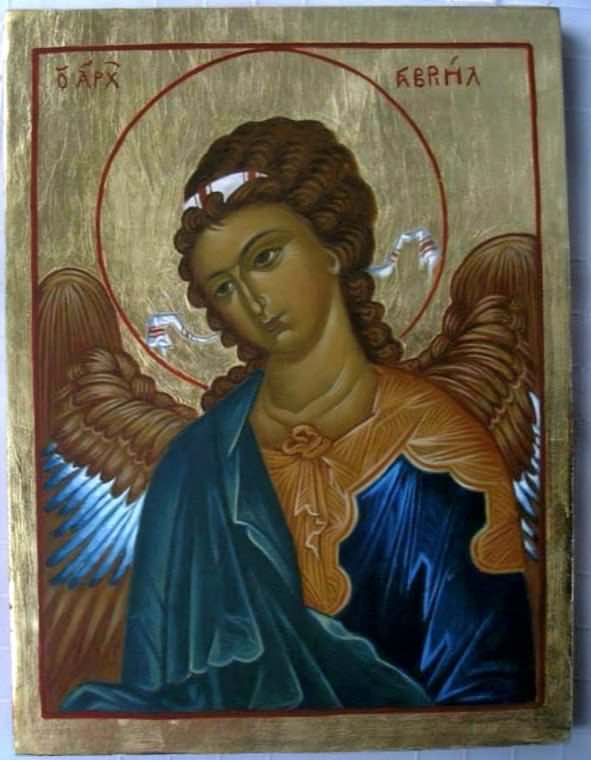
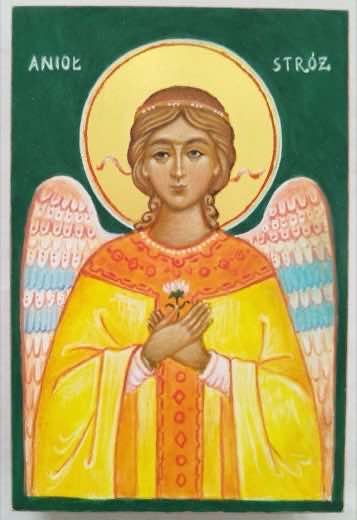
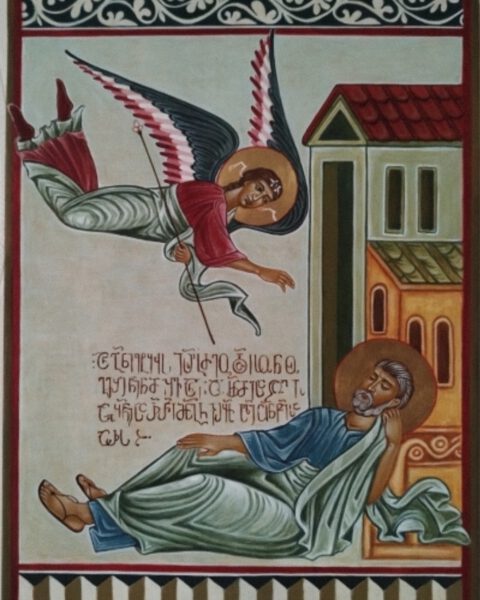
Archangels Michael and Gabriel, the Guardian Angel, the Dream of Saint Joseph


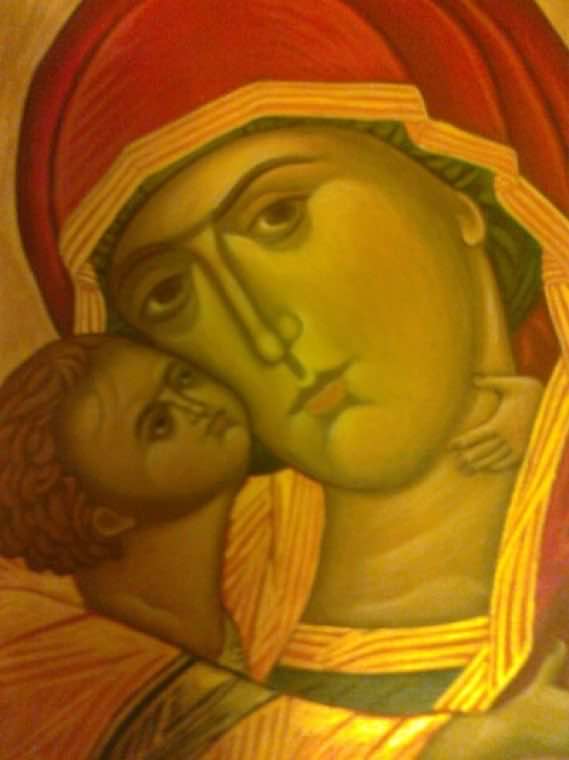
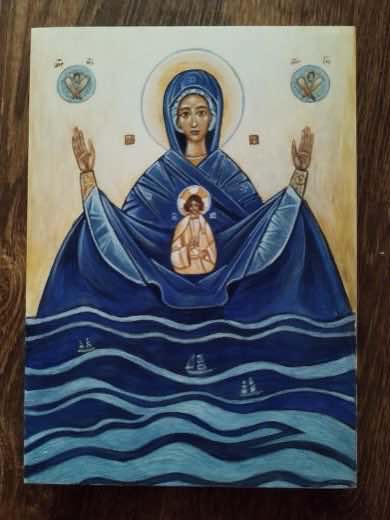
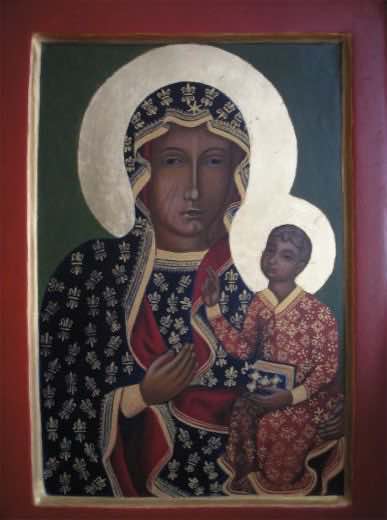
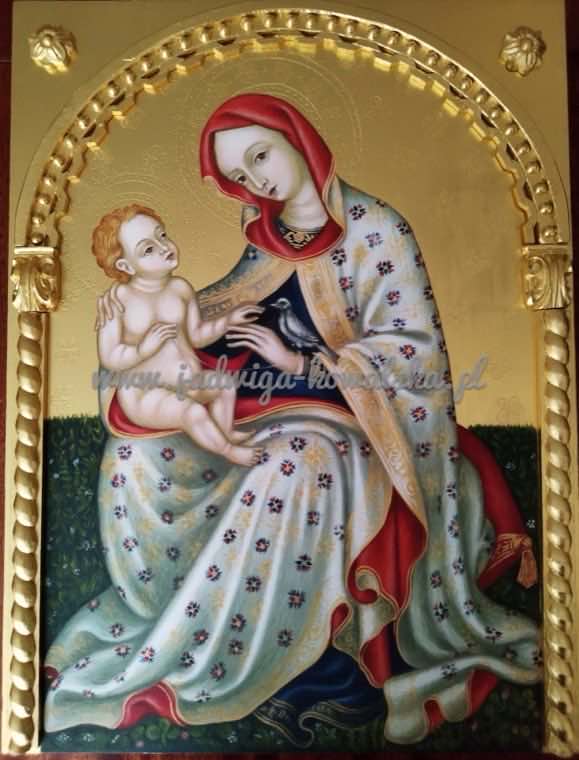
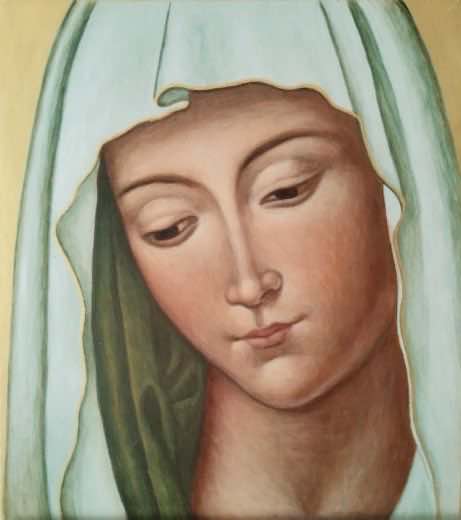
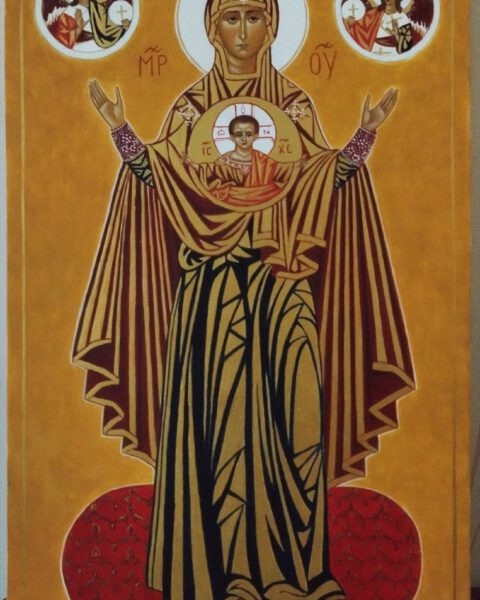
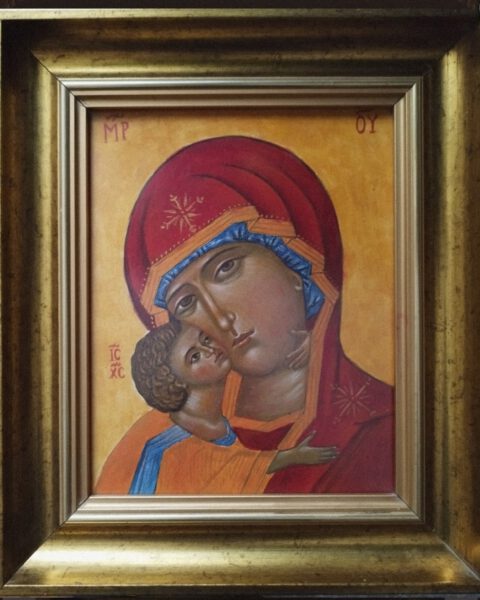
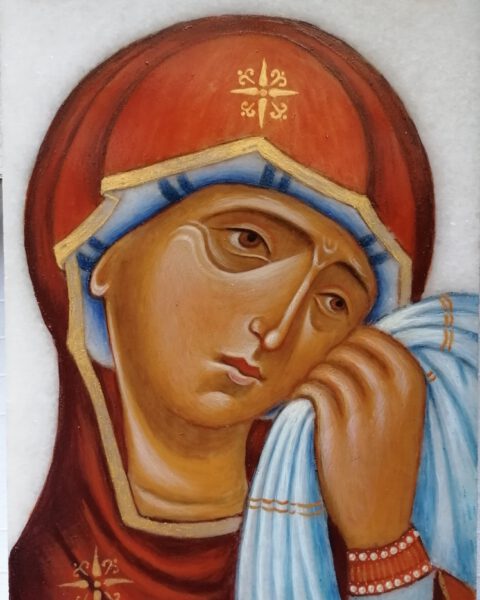
Vladimir, Częstochowa, Gate of Dawn, Fair Love, Perpetual Help, Pneumatophora…


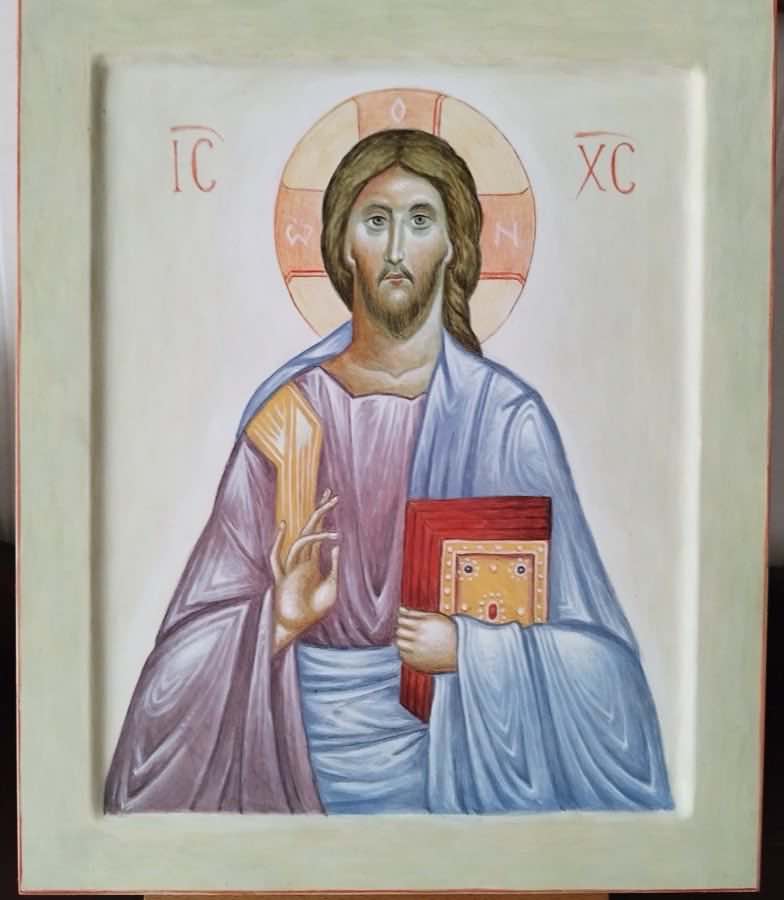
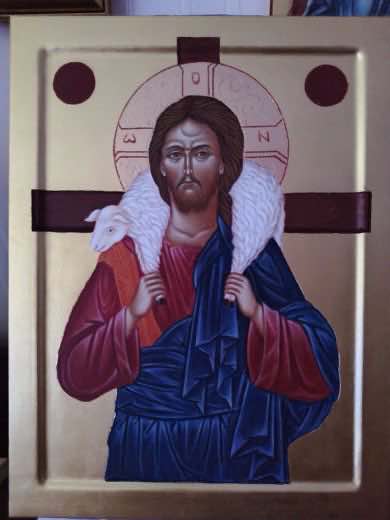
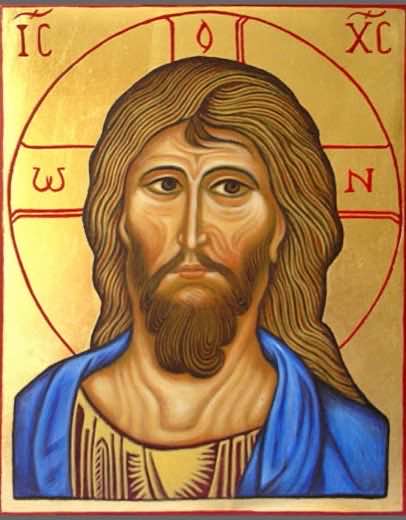
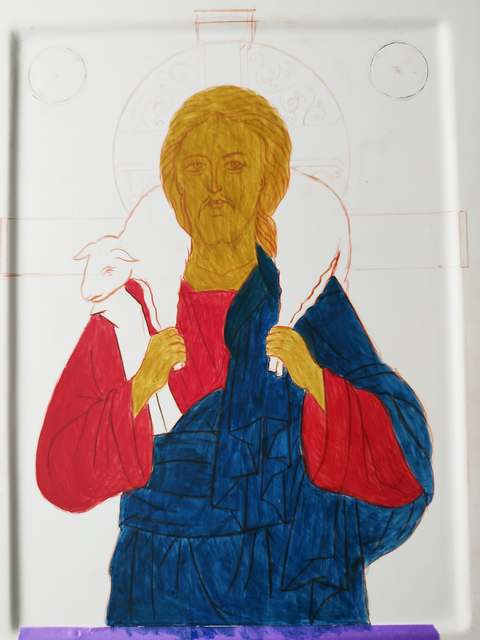
Pantocrator, Mandylion, Holy Keramion, Christ of Cefalù, the Good Shepherd, the Great High Priest — images of the Saviour with the cross-inscribed halo.


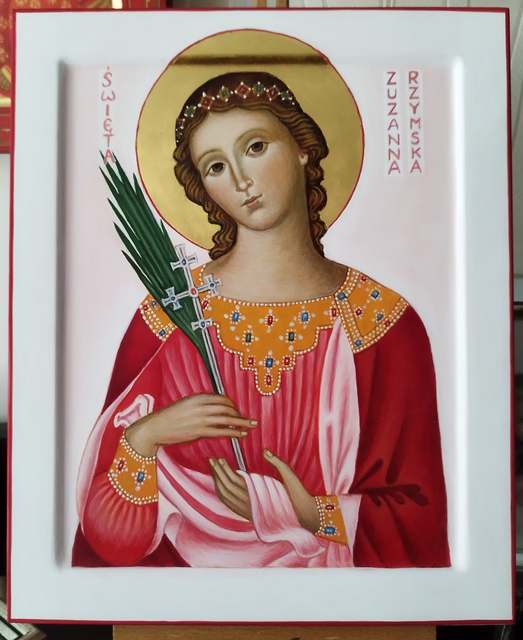
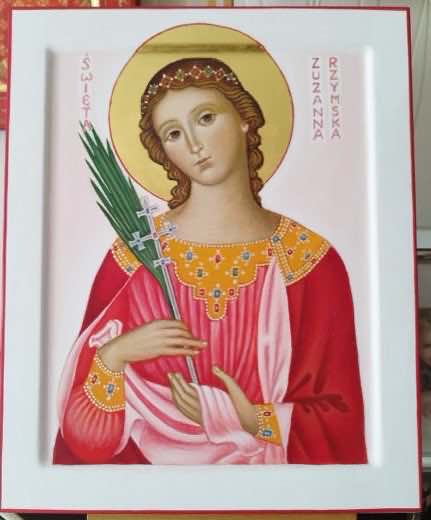
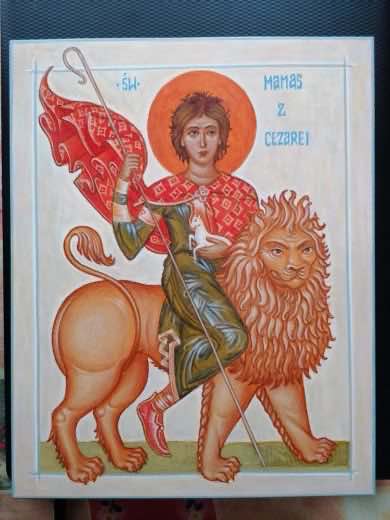
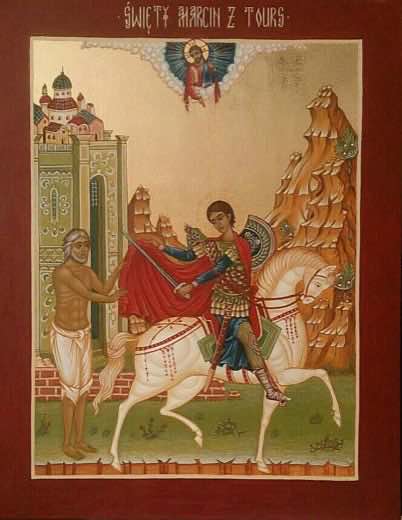
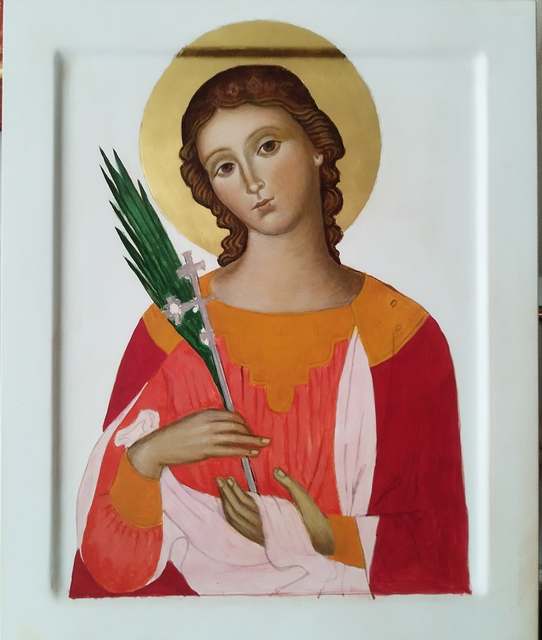
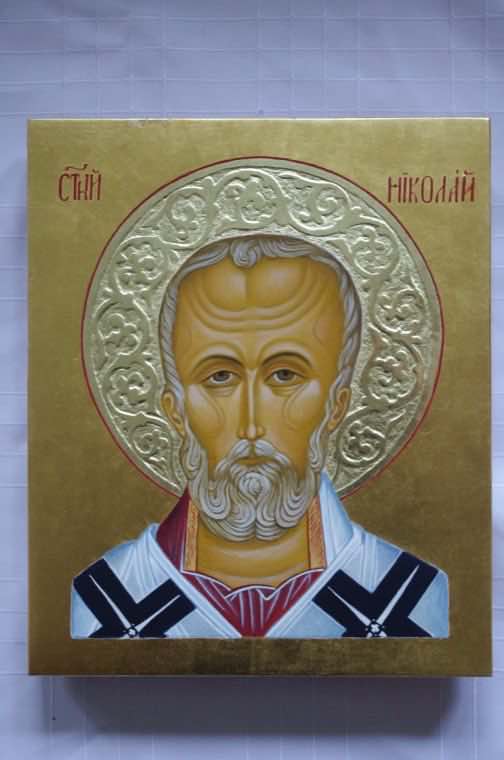
Nicholas, Martin of Tours, Mamas of Caesarea, Hyacinth, Susanna, Peter the Apostle, Anne of Faras, Ephrem the Syrian…


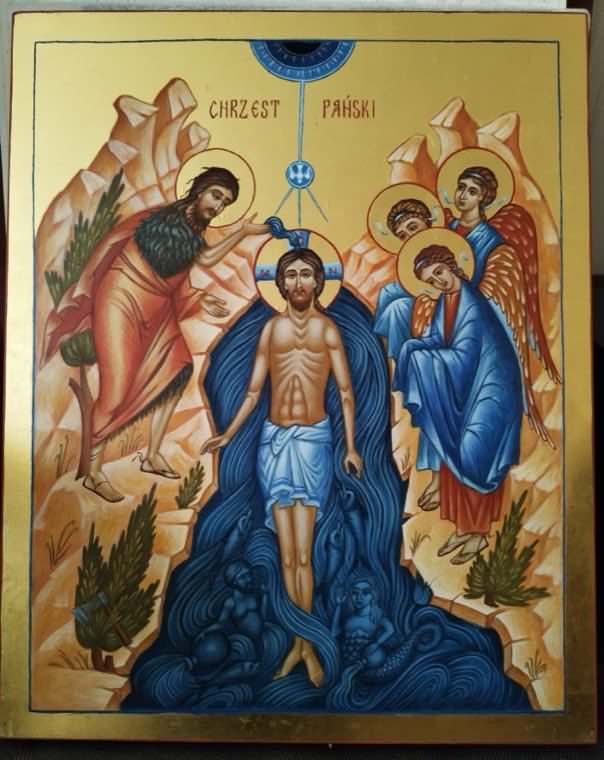
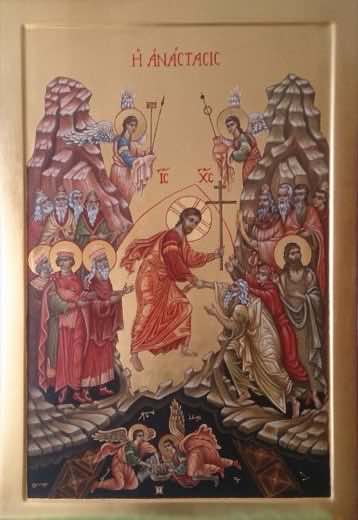
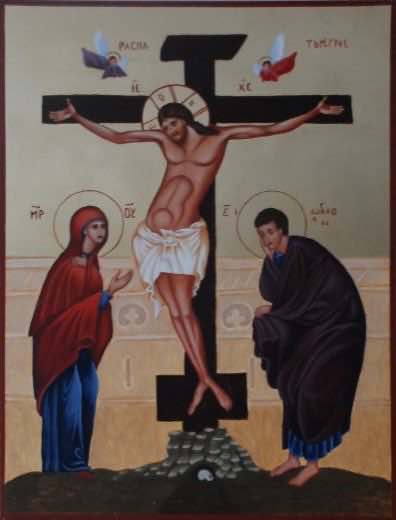
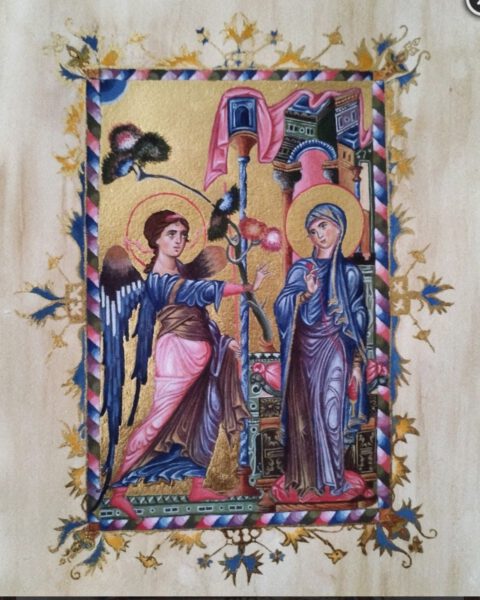
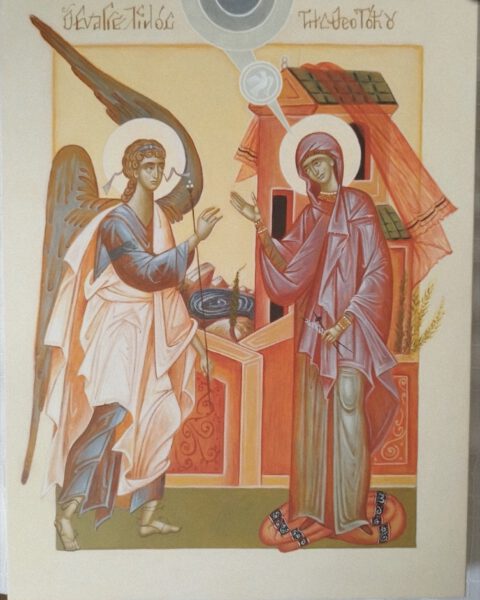
Baptism of Christ, Annunciation, Resurrection, Crucifixion, Nativity


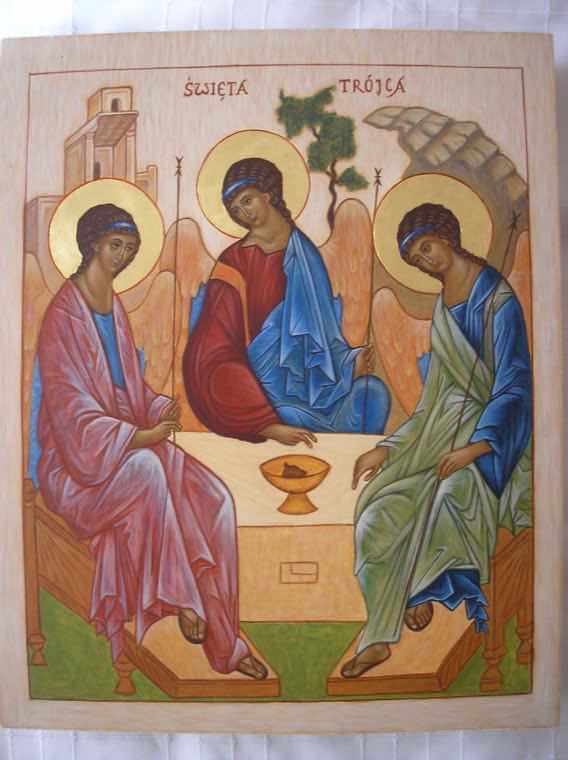
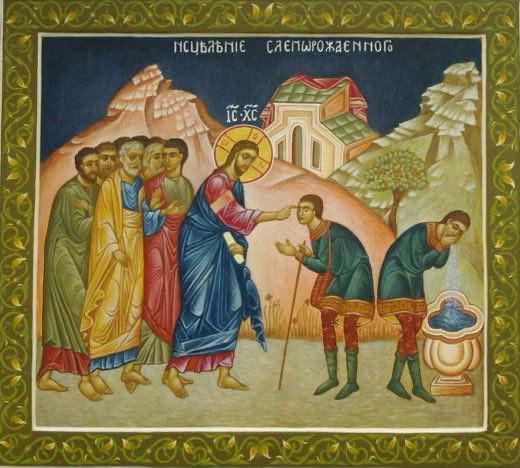
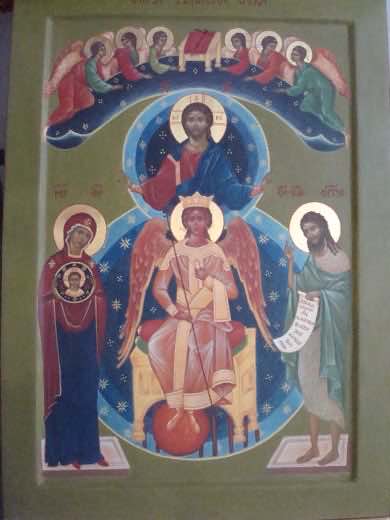
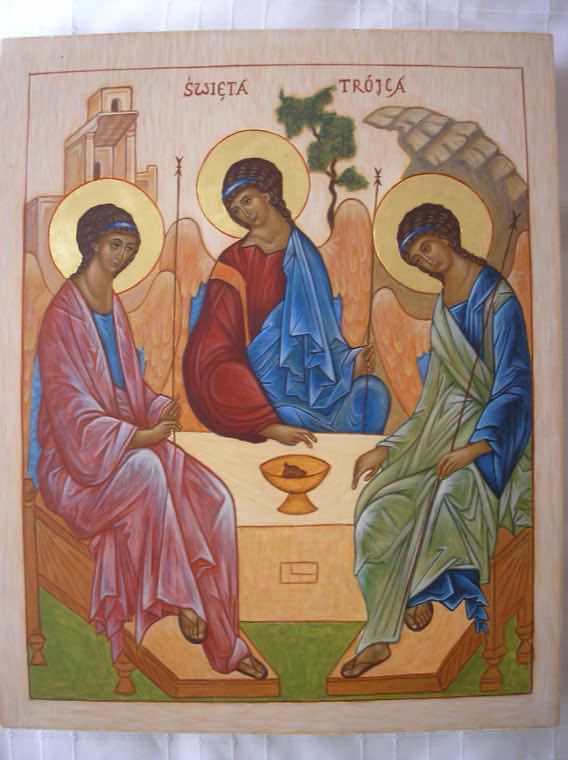
Holy Trinity, Sophia the Wisdom of God, Healing of the Man Born Blind


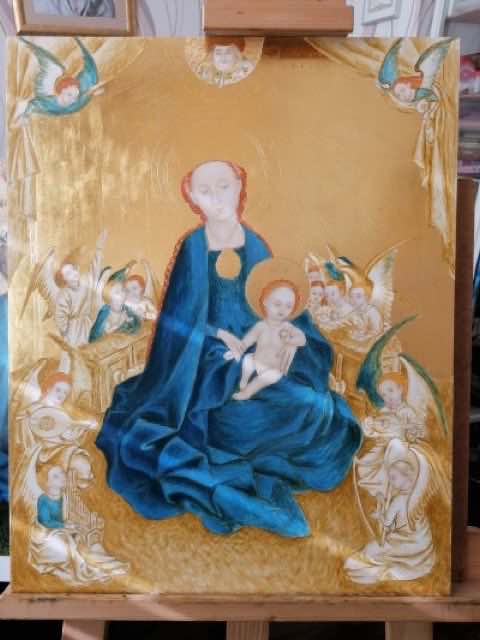
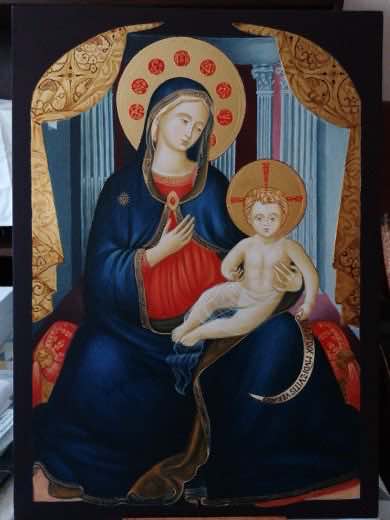
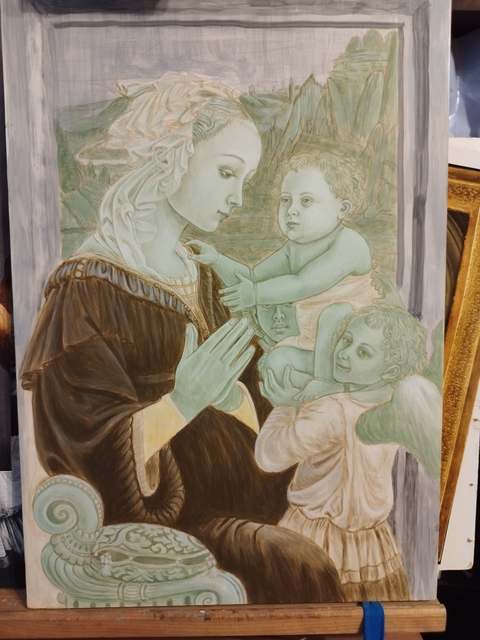
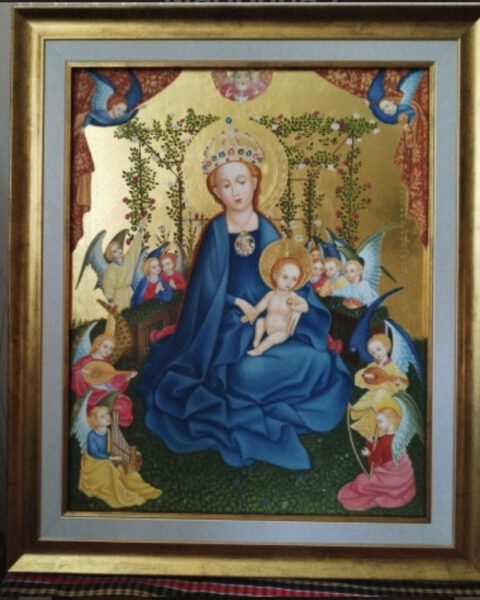
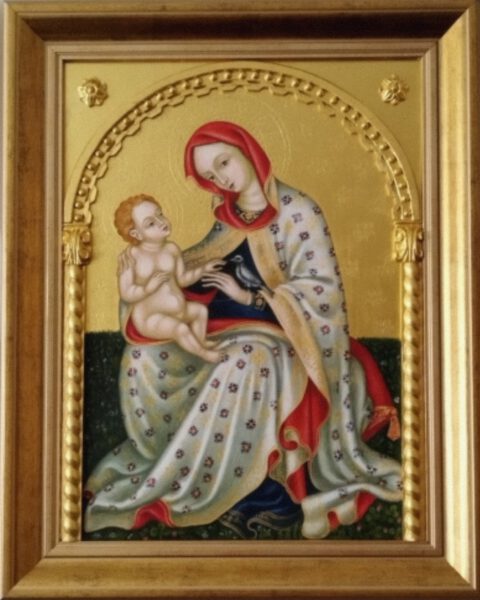
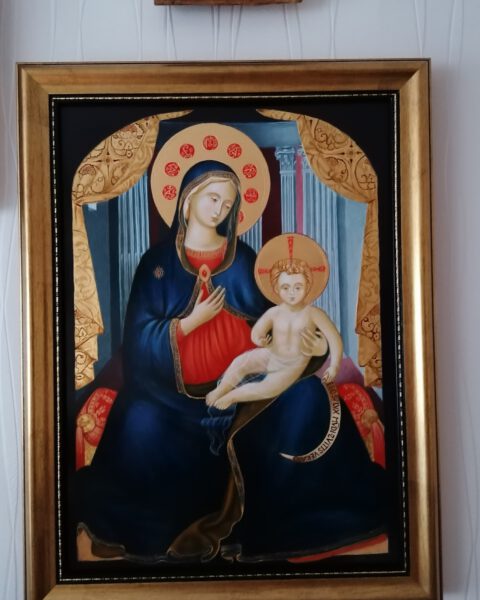
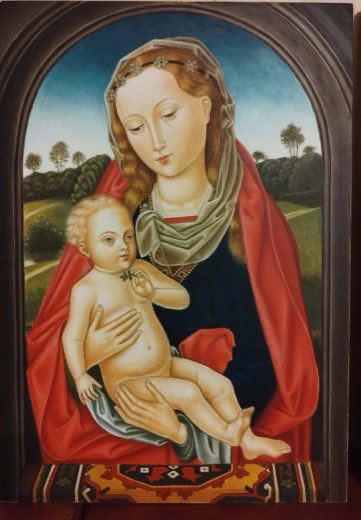
After Vušković from Wawel, Fra Angelico, Memling, Lochner — Gothic and Renaissance in tempera


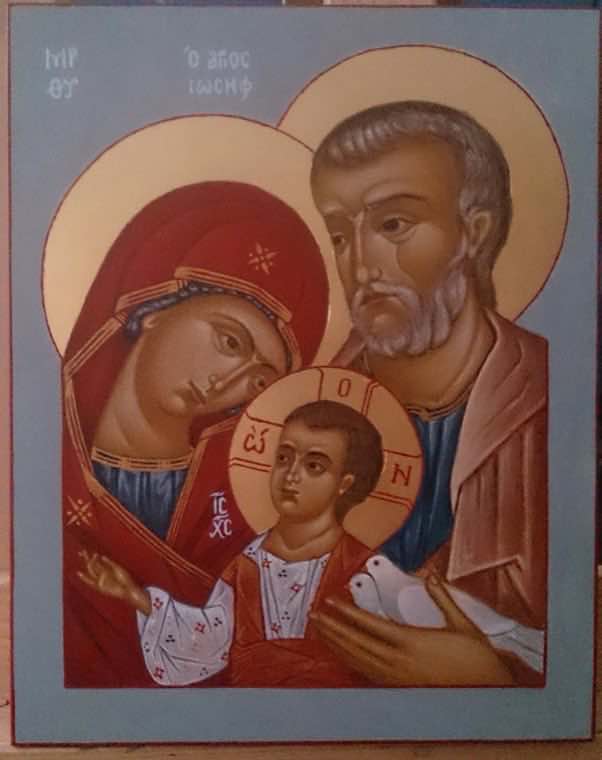
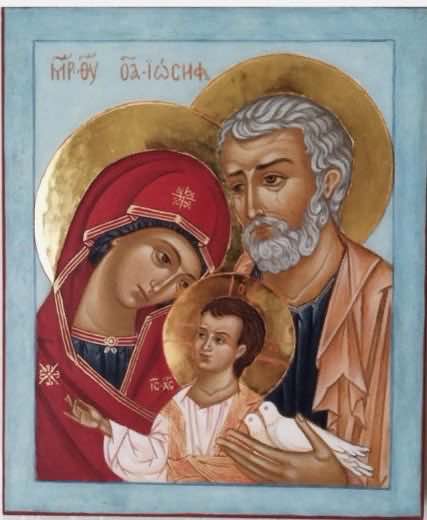
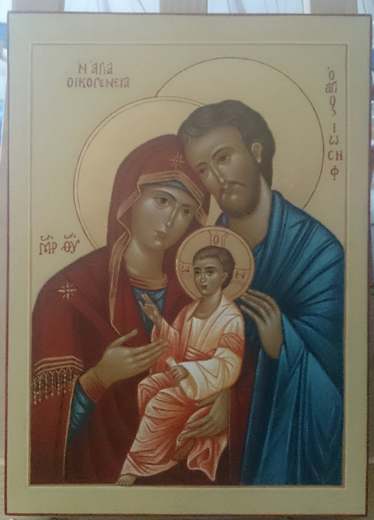
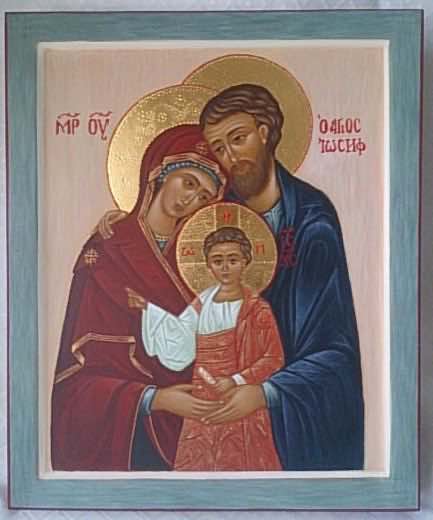
Jesus, Mary and Joseph — the most frequent gift for a baptism or a wedding


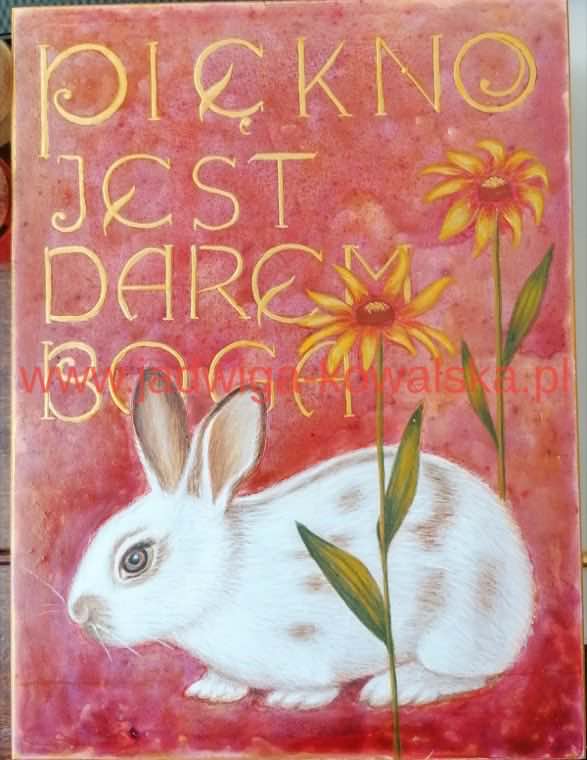
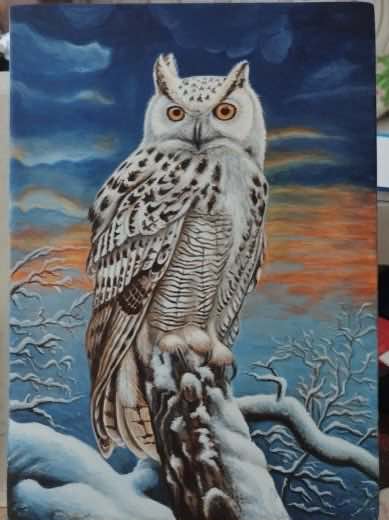
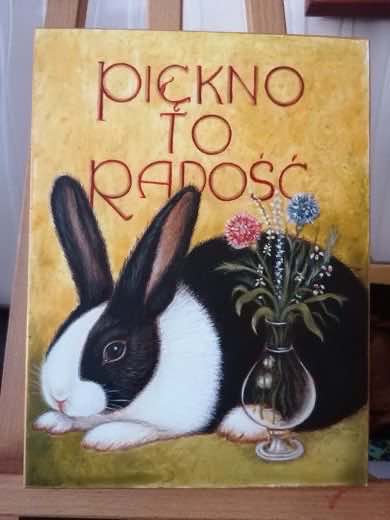
Rabbits for Marcinek and Michalinka, an Eagle Owl — tempera beyond the canon


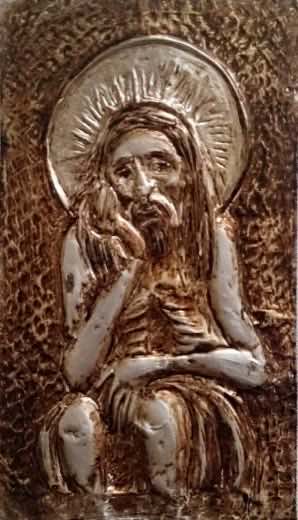
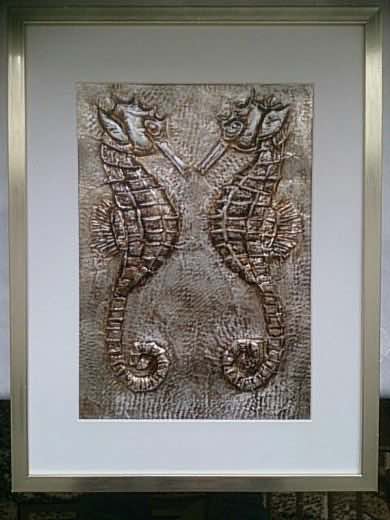
Reliefs embossed in sheet metal — Mandylion, Seahorses, Pensive Christ. A different material, the same language of signs.


A look into the studio while painting is in progress: drawing on levkas, gold, the first layers of tempera — Christ the Good Shepherd, the Madonna of the Rose Bower, Salvator Mundi, an unfinished Saint Susanna…
Archive · all works
215 works in twelve sections — just as in the artist’s gallery. For each: all the photographs, the description, the story of how it was made, the date, time taken and place, and the technique — in her own words, translated from Polish.
“My Workshop” and “Available now” are separate sections of the gallery, so some works also appear in another category.
Available now · Commissioned
Available now
You can see them, ask about their size and take them home straight away. The list changes — please ask about current availability.


Commissioned
For a baptism, a First Communion, a wedding or a birthday. With a conversation about the image — and with prayer for the person for whom it is made.
Most often the client already has a model in mind; we discuss the details together, and sometimes I suggest an alternative.
I ask about the person for whom the icon is to be made, so that I can pray for them while I work.
Tempera does not tolerate haste. Layer by layer, in silence.
Once the painting is finished. Varnishing can be arranged for later.
Chronicle
Selected events from fifteen years of work — from the first Mandylion to her own icon-writing workshops.
Contact
If you would like to get in touch, please send a message — by phone or e-mail. An enquiry about a commissioned icon can also be sent using the form.